Socialization part 4-

Meeting People

Prior to 16 weeks, the puppy can choose to go ‘Say hi’ to other people. And he SHOULD, to learn about lots of other people and that they are all safe and non-threatening no matter how they look or how they smell (cigarettes, alcohol, perfume, other critter scents, body odors, etc.). Rule is that the person has to let the puppy come to them. This ensures that the pup actually wants to greet them! And if the puppy says “no” I say “sorry, not today” (didn’t have to say that with my Labrador). :-)  

But those people don’t have food or toys and I do! At first the novelty of the people is more attractive to the puppy and that is fine. I’m not going to try to interrupt unless I feel the pup needs it or he’s getting too excited.  But I’m available as a treat dispenser or toy operator at any point and each interaction with another person will include & end with the pup getting good stuff from me. I also will call the pup, or lure him a step or two away, give a treat, and let him go back to the other person if he wants, or if they can entice him back with sweet talk.

By 16 weeks of age the puppy has met a lot of people, the novelty wears off a little and what I have is more enticing (his favorite treats/toy)!   The puppy has learned that yeah, other people can be interesting, but mom has the good stuff! I can do a quick greet, then get treats!

After 16 weeks, if someone is approaching us to say hi to the puppy (you know the look!) I get a handful of treats and let the pup work on getting them out of my hand while we talk. I tell them they have to keep their feet planted (not move toward the pup) and then try to entice him to come to them (no food/toys at first). If he chooses to leave my treat hand and go to them, that is fine! But my hand is always available and will allow some easy treats as soon as he chooses to come back to it. And I’m right near him, not at the end of the leash. So I can also work on reinforcing an acceptable position (like 4 on the floor) during the greeting or his choosing to stay focused on getting the food in my hand while the person pets him.

This was REALLY hard for Voodoo, who loves attention from people just as much as he loves food! But he caught on. And now, even if I don’t have treats, he will do a quick greeting of a stranger (just long enough to assess whether they have treats, LOL) and then come right back to me. I’ve gotten more lax on this as he has gotten older, so now he knows which of my friends have good treats and will ‘pay out’ if he’s persistent. But I know I could change that quickly with some refresher training if I wanted to.

This training teaches the puppy that if people are talking to me (or him) or trying to call him and entice him, that makes great rewards come from me. And once the puppy is hard to call away from me, I’ll select helpers that can follow directions to hold treats or a toy and even entice the puppy with them, but the treats/toy are never available to the pup from them and choosing to return to or stay with me results in a big reward from me.

THEN I can work on having the pup hold a position (sit or stand) while people pet him (or play conformation or obedience Judge). And I turn attention from others into a cue to look at me! So no matter how hard someone tries to distract my dog, they are just repeating the ‘cue’ to look at me! But I can also use a cue to tell the pup to look where I point (like at a conformation Judge) or give him permission to go say hi.

Zoo visit at 5 mo old shows how he handled crowds by that age.
Socialization part 3-

Fear periods

Around 8 – 10 weeks of age, puppies often experience what is called a “fear period”. This is when they might react fearfully to something that previously they had no reaction to, or that they have seen every day for literally their whole lives! Some puppies can experience it earlier or later. Some, like my Labrador Voodoo, showed no signs of it.

The biggest thing to know is that a scary or unpleasant experience during this phase can affect the dog long term and be harder to overcome. So while socialization doesn’t stop, you want to be more careful to make sure the pup doesn’t have a scary experience.

Personally, I treat the whole 8-16 weeks as if the puppy were in a fear period just in case! I do my best to ensure that every encounter they have with life during that time (& beyond) is not scary or traumatic. I don’t let my pup out of my site with anyone else, including my vet, regardless of how much I trust the person until the pup is older than 16 weeks so I know what they have experienced.

Some people want/need the pup to be fully comfortable living with others that might dog-sit and want to expose the pup to that and it’s not a bad thing as long as those other people are ‘on the same page’ as you regarding training/exposure. But personally, that’s not a concern of mine and I think a properly socialized puppy (that knows change is normal) would be fine no matter who they are with later.

There can also be a second fear period between 6 and 14 months of age. If your dog experiences this, it is most likely to present as a reaction to something completely mundane that they have seen/experienced many times. Voodoo was on a walk with me and had a reaction to a leaf that he clearly thought was going to eat him if he got within 5’ of it! It was Fall, and we had just walked past MANY leaves. And I couldn’t see anything different about this particular leaf. I let him choose his safe distance and watch while I picked up and examined the leaf and talked to the leaf in a friendly tone. Then I set the leaf down. Voodoo eventually decided it was safe to come close enough to sniff the leaf and as soon as he did,  he shook off the stress and then that leaf and all the rest we passed after that were background to be ignored.

That leaf, and a plastic bag caught on our fence, were the only two things he had such a reaction to. Other things he didn’t react to: full size moving dinosaurs, people in all sorts of costumes (Comic-con), all the zoo animals and scents, Universal Studios including the Happy Potter experience and LOTS of other weird stuff he probably SHOULD have reacted to LOL But thanks to all the early proper socialization by his breeder and I made him “bomb-proof” and able to handle all manner of weird like it’s just another day. And that’s my goal!

Video of Voodoo at the Pop-con. Note: My friend and fellow dog trainer Laura VanArondonk-Baugh was the one in the T-rex and she had another experienced person telling her what Voodoo was doing. She was very careful not to spook him, but Voodoo didn’t see a moving T-rex as anything to worry about. LOL

I was fully prepared to leave if I felt it was too much for Voodoo. But he had a great day!

Socialization part 2

The Process

Puppies that are younger than 12-16 weeks of age process things with 2 outcomes:

  • This is normal and safe
  • This is out of the ordinary and dangerous

The goal is to help the puppy learn (prior to 12-16 weeks of age) that change is what is normal and safe. That anything new is just a part of normal life and perfectly safe. That novelty and weird is just normal life and no need to worry. And in fact- all these things mean GOOD things happen, like treats and a happy, praising handler, and fun! And the more new things that puppy encounters that bring on the good stuff or that are just part of everyday life, the better the puppy gets at accepting ‘weird’ as normal and safe.

See my list for what I try to properly expose my puppies to before they are 16 weeks old:
–Best Socialization check list–
Note: There are 3 check boxes next to each thing, because repeated exposure gives the best picture about how the puppy actually feels about it. And repeated exposure can help make it “normal”.

So socialization IS about exposing the puppy to lots of new experiences and things, but it MUST be done carefully and correctly and with the ability to read canine body language so you know if the pup is fine, is still assessing, or if they feel it is too much. If done wrong it can cause the puppy to FEAR all new things, changes in the environment, and anything weird, which is the opposite of what we want!

From 3-7 weeks old, puppies tend to startle at novel things, then investigate or watch from a distance, then accept the new as normal (might take more than 1 exposure). Each time they go through this process, they learn HOW to accept novelty and deal with weird. And they can ideally be exposed to many of the items on the list above.

After 7 weeks, if the puppies haven’t had exposure to very much change and weird by that point, they are much more likely to start with a fear reaction vs. a thinking response.  And even puppies with a solid foundation can do this too, but they tend to recover much faster and are able to get back into thinking mode for a proper assessment of the novelty.

By 16 weeks of age, the puppy has learned what is normal and safe in his life. When the pup or dog that is older than 16 weeks of age encounters something he hasn’t experienced before, his reaction to it will mostly be based on experiences he had prior to 16 weeks of age. This is why it is so critical to make novelty and change and weird a safe and fun everyday occurrence when the pup is young!

And this can be done, in part, at home too! Check out the Empowerment Training check list: Empowerment Training

Socialization part 1

While we’re waiting on an avalanche of puppy photos/videos, I wrote up some info on Socialization and how I do it that I’ll be sharing in several parts over the next few days.

What is PROPER puppy socialization?

Socialization is about teaching the puppy to take novelty in stride.

Without that SKILL, a dog will default to startle and react, rather than “Whatever. Just more weird stuff”. And then you are in “fix it” mode or ‘avoid it’ mode for the rest of the dog’s life.

Better to give the puppy the coping skills it needs from the start! Because life is weird and your dog WILL encounter weird and unexpected things, on walks, at dog sports, and especially if they are a Service Dog.

“Weird” is used broadly to describe anything odd, unusual, out of the ordinary, strange, bizarre, or slightly peculiar. It can refer to behaviors, situations, or events that deviate from the norm. Depending on the context, it can carry a neutral tone (e.g., a strange coincidence), a negative one (e.g., an eerie feeling), or even a positive one (e.g., unique art).

Proper socialization and proactively teaching the pup ‘how to handle weird’ will greatly reduce reactivity to and hyper focus on novelty and will increase their ability to learn (because fear and apprehension inhibit all sorts of good things). Plus, a dog with proper socialization training will be able to go everywhere and do everything with confidence. So they have a much bigger, and better life than the dog who missed out and ends up reactive and needs to be protected from certain triggers.

While proper socialization is most effective and has the greatest effect when done when the puppy is less than 16 weeks old, there are benefits to continuing the careful, purposeful, and systematic exposure to “weird” throughout the dog’s lifetime. I want my dogs to EMBRACE the weird, to LOVE weird things, to feel GOOD when they see or experience weird. This is the manifestation of confidence.

This confidence allows the dog to remain in thinking mode instead of going into survival reactionary mode. It allows for rational assessment of the novel thing, vs. a fight or flight response. I want my dog to be thinking- “Oh good! Something new! This is cool!” Instead of “Danger! Escape! We’re all going to die!”

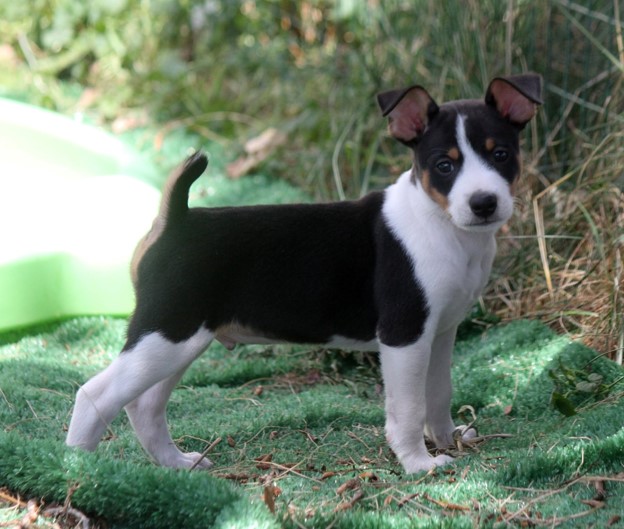
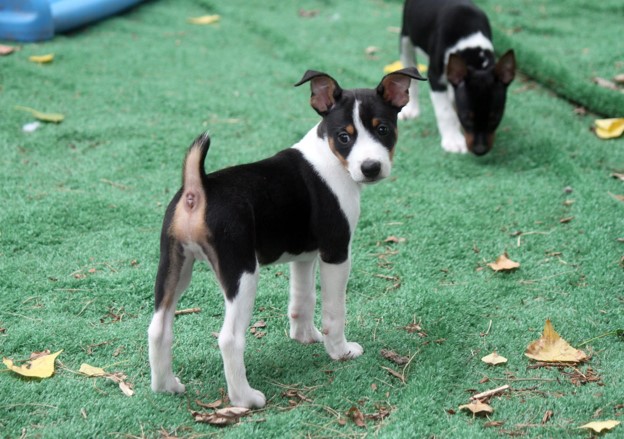
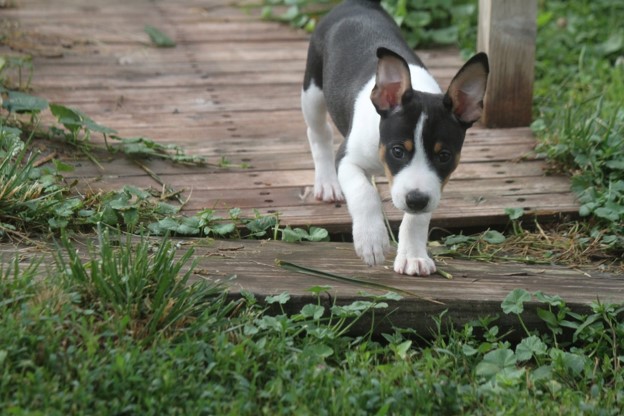
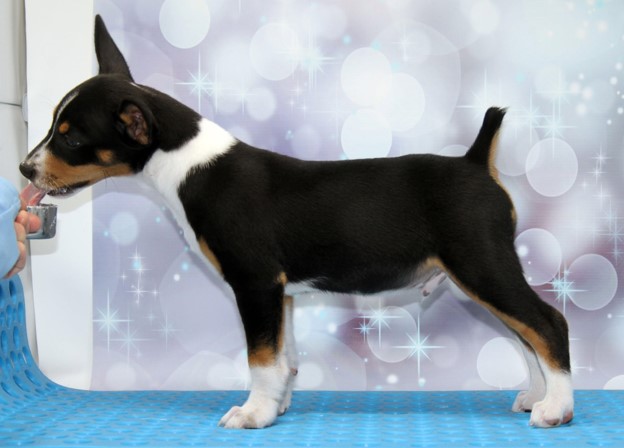
I will say that getting a puppy from a breeder that starts this process as soon as the puppies are born puts the puppy MILES ahead of puppies without the socialization and training! There are a few different programs that breeders can use to ensure their puppies have excellent coping skills and confidence before they even leave the breeder. I HIGHLY recommend finding such a breeder if you want to make your life MUCH easier from the moment you bring the puppy home! Mister’s breeder has been doing a fantastic job with this and I know he will have the best possible base upon which to build these skills even further.

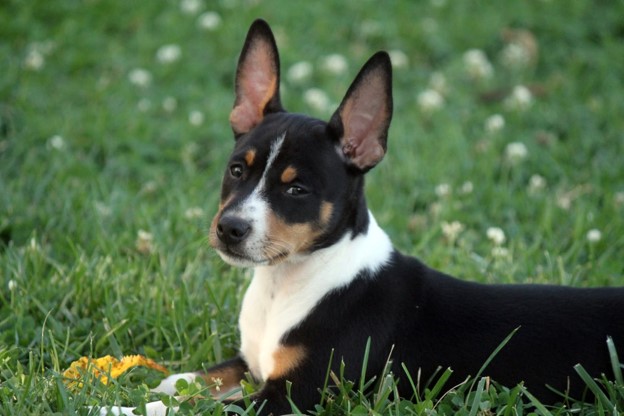
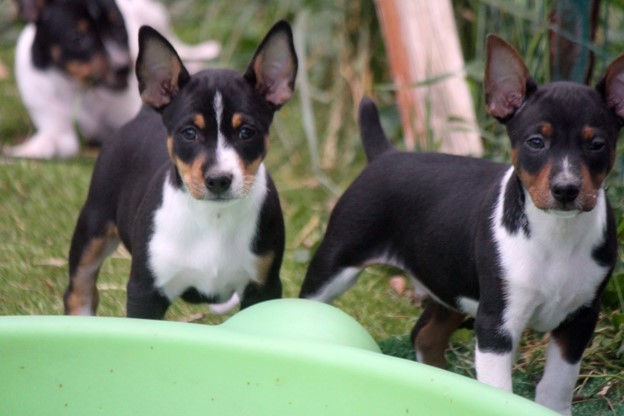
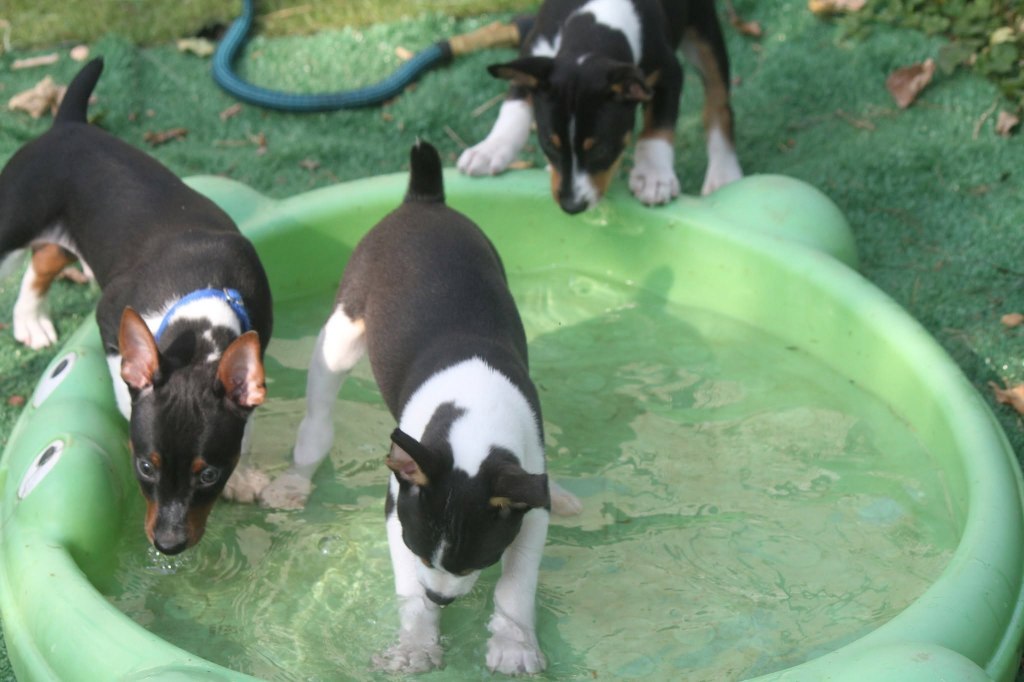
Photo is the boys enjoying a pool party today!

PUPPY!

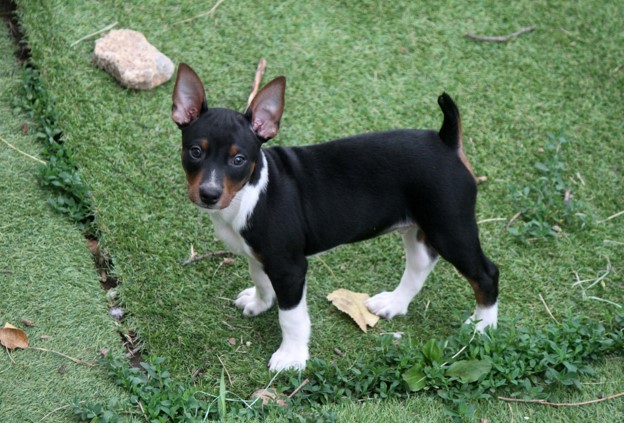
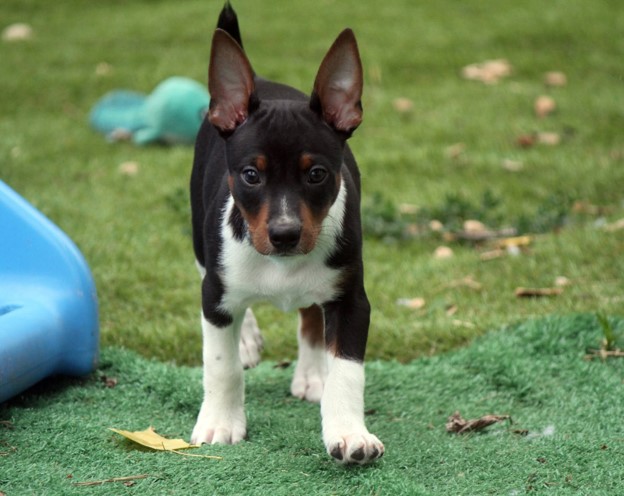
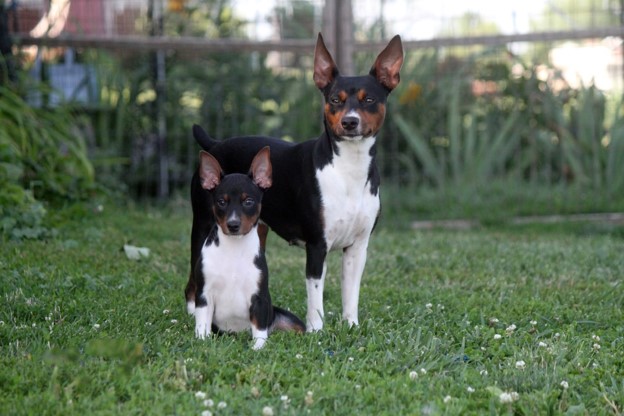
This journey started as my amazing Malinois Dazzle was getting up in years (he lived to be almost 18!). Now my Labrador Voodoo is 10 and I’m ready to welcome my next family member. I knew I wanted a smaller breed and considered several, but decided on the Rat Terrier for their versatility, temperament, health and size. Plus I love the way the breed looks!

So then I started researching breeders. I am VERY picky about what I want in my dogs (temperament, health, conformation, and lots of other traits) and I know just how important it is to get a breeder that is responsible, knows what they are doing, and does lots of early socialization and training!

I found Stacy McWilliams and River Ridge Rat Terriers. She and her dogs check all the boxes for what I was looking for. I talked with her about her breeding plans and the litter I put a deposit on was still ‘up in the air’ with some unknowns regarding timing of various things but I really loved the male.

Meanwhile, just recently, a spot had the potential to open up in a litter she co-bred in Oklahoma and I was looking at THAT litter (with only 1 male in it) that just turned 6 weeks old.

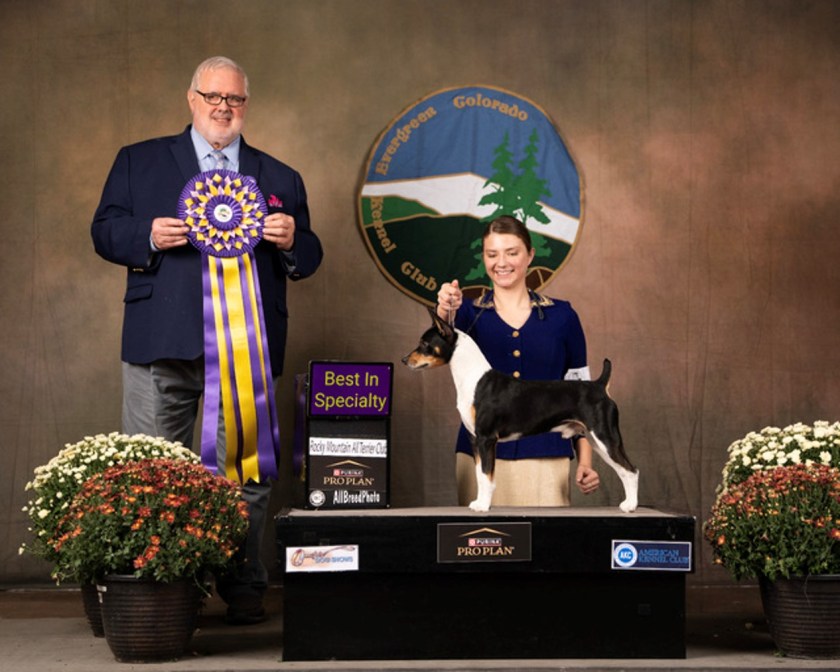
Then I get word that a pup might be available in her current litter that has an AMAZING sire and dam! The litter has 3 boys and they are all so good that she’s having a really hard time picking who goes where! Another breeder that gets pick male is also having a hard time choosing based on photos/videos, so she will be going to Stacy’s to see them in person and attend a show with Stacy in VT July 9th-12th where they might get a chance to have some Judges look at them as well.

Once they decide, I’ll know who my pup will be. I should know on the 9th or 10th. The pups turn 10 weeks old on Sunday the 12th and I’m hoping the other breeder that went to look at the pups can also bring mine with her because she lives in VA, which is MUCH closer than PA! Though I would be willing to drive to the other side of the U.S. for the right pup, so if I could get the pup sooner, I would definitely drive up to get him. That said, I’m very hopeful to have Mr. Sir in my arms on July 13th.

Waiting for things I want is NOT a strong suit of mine :-) Especially when the waiting means 2 less weeks I can spend on the socialization I love to do! But I know Stacy will be continuing to socialize and work on basic training with the pups. And they all have phenomenal bold temperaments!