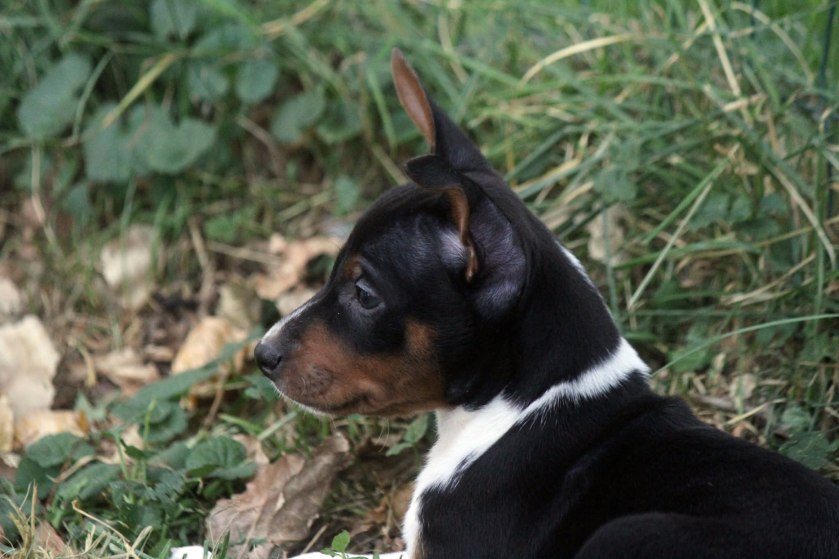
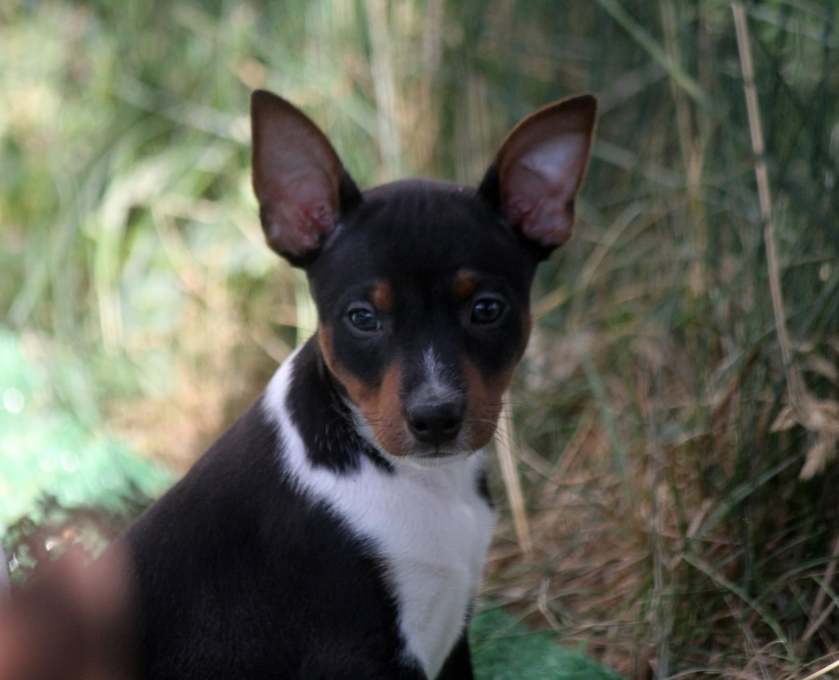
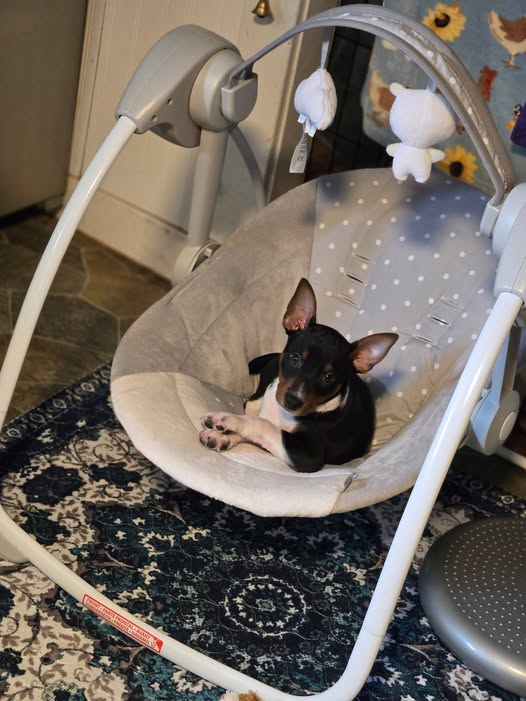
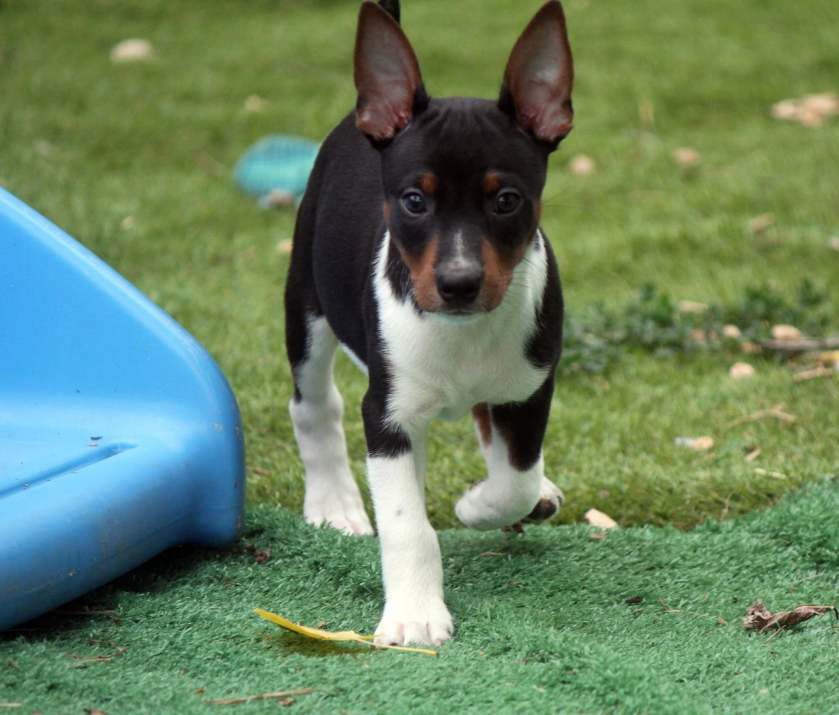
All photos from the breeder: Stacy McWilliams – River Ridge Rat Terriers
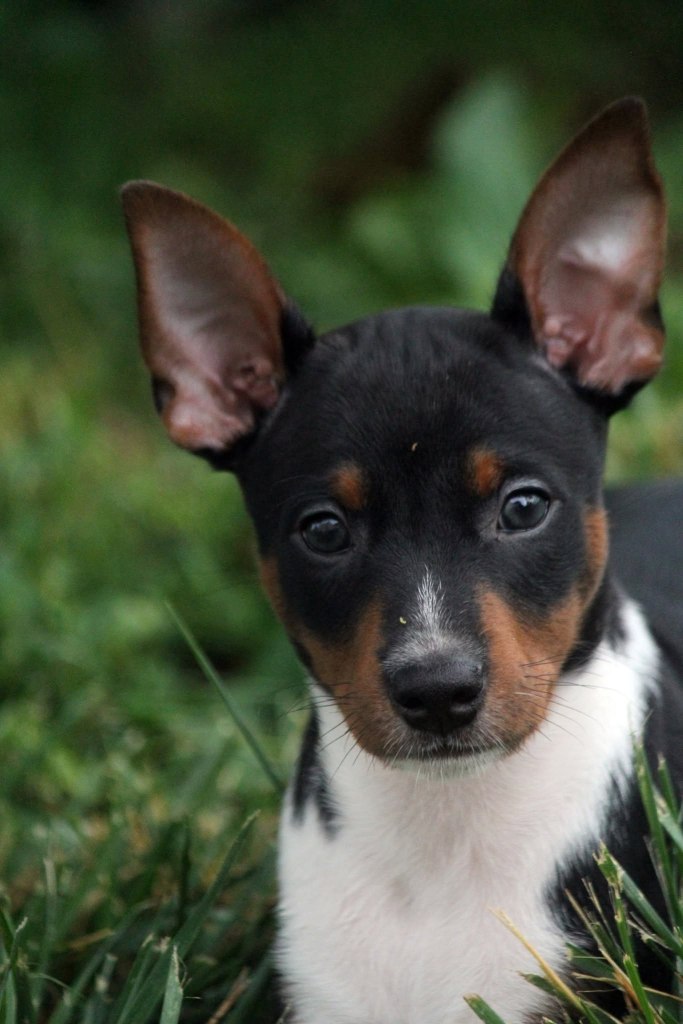
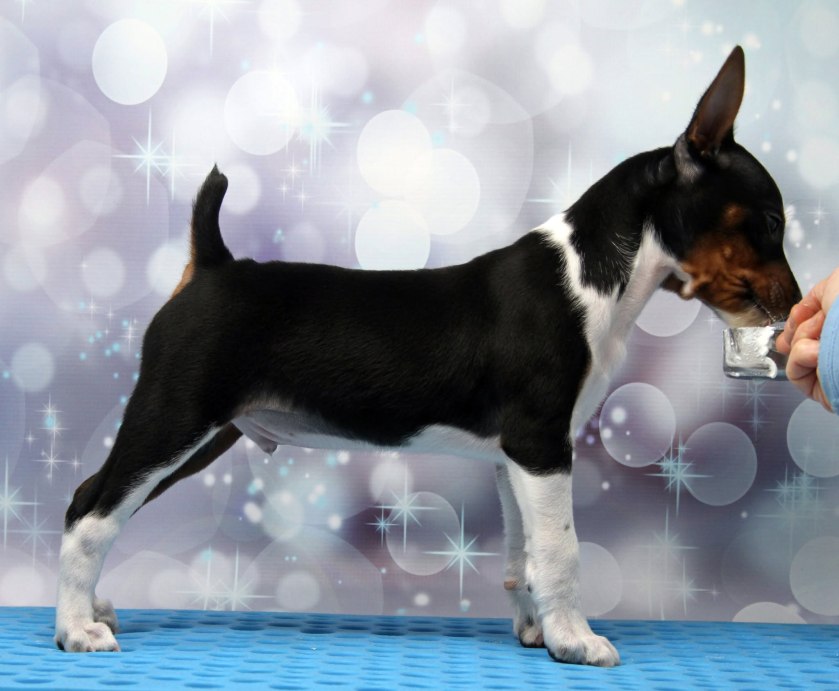
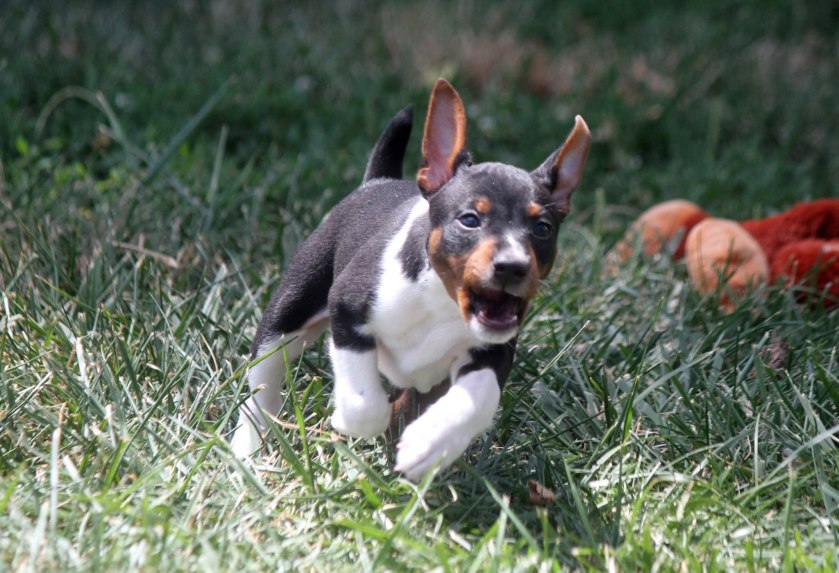
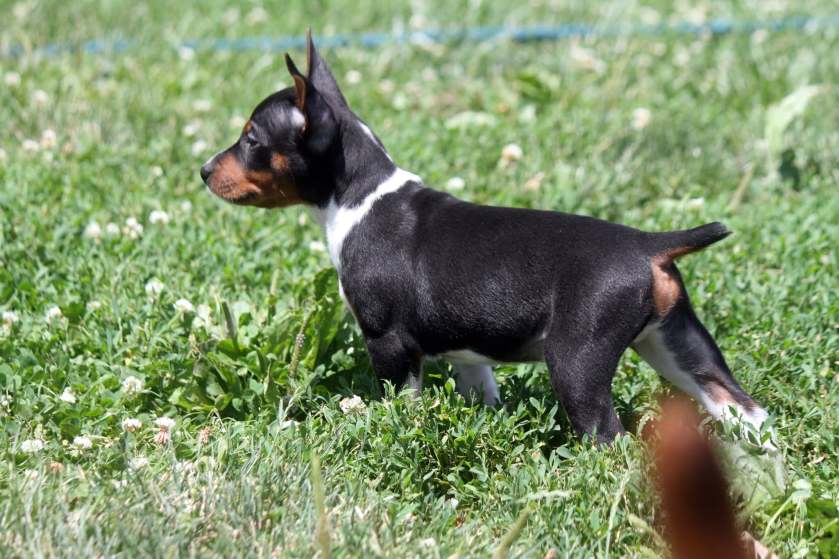
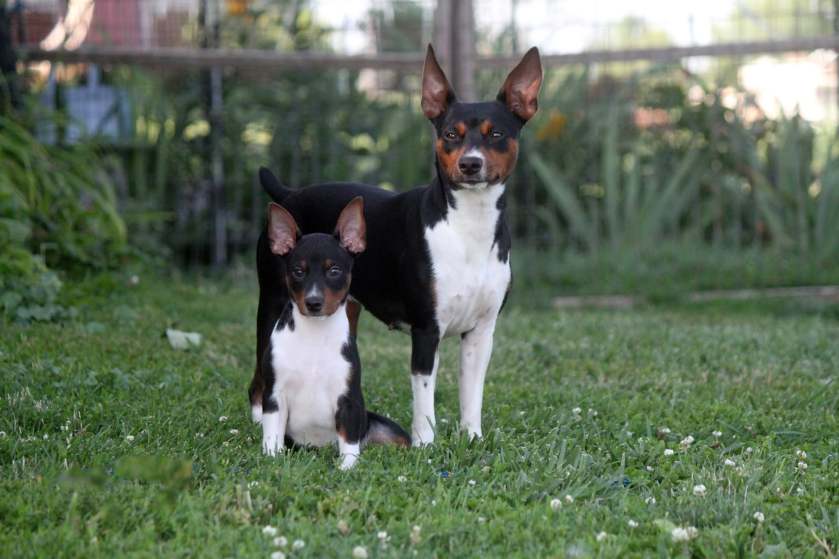
More photos on his facebook group: https://www.facebook.com/groups/mrsir
All photos from the breeder: Stacy McWilliams – River Ridge Rat Terriers
More photos on his facebook group: https://www.facebook.com/groups/mrsir
Training happens everywhere. Many people only teach new things at home, get them well known there, and then try to generalize to gradually increasing distractions. But with Dazzle and Voodoo, I started (and worked on) various behaviors wherever we happened to be- starting on day 1. And it resulted in dogs that ‘generalized’ beautifully! Later, I could teach something new at home and even if I had only worked on it at home, they would perform it the same in new places.
This also makes my life much easier, not having to try to teach everything at home first, especially when I spend so much time away from home socializing. And a LOT of that time is spent just hanging out in new places, in the vehicle, or on a blanket or mat, where we can work on learning a wide variety of new behaviors and skills.
And it helps the puppy learn to focus on various tasks, starting with just moments of time and gradually building to longer and longer focus on the task regardless of what is going on around the pup. Right from the start, the environment is ‘background’, not the main attraction! In most of the videos of Voodoo socializing, I was having to encourage him to look at stuff before I started the video because he had already figured out that ignoring the environment and focusing on me paid very well!
Training here is usually not dedicated sessions (but those happen too!) It is always happening in some form or another all throughout the day. House manners, car manners, potty training (lots of different surfaces and on cue), leash manners, focus/check-ins, position changes, stay, settle/relax, crate games, recall, retrieve, handling, impulse control, empowerment, and so much more all get interspersed WHILE we are out socializing. Just quick little bits here and there, all kept super fun.
Puppies are ALWAYS learning, every moment they are awake, whether you are teaching them or not. So I put that sponge of a brain to good use! They WANT to learn! They NEED to learn! And starting as early as possible with age appropriate training has been VERY successful for me! I have been VERY happy with the results!
That said, because of how I train, it makes it hard to get video of the training sessions. If I wore a GoPro or similar device, it would show you what the puppy is doing, but not what I’m doing. And I don’t plan to have a tri-pod with me at all times to set up my phone. If I had someone to follow us around and operate the camera, that would be ideal. And if anyone wants to accompany us on various outings to do that, I’m open to that. I will get as much video as possible, but it will likely be shared the way I shared Voodoo’s training- in compilation videos covering a range of topics or locations: https://raisingageniuspuppy.com/socialization-and-exposure/
Note: I had put all of Voodoo’s training videos on Vimeo, but then it got too expensive so I lost access to most of them. I have them on my computer still and recently (last year) uploaded several to Youtube so that the videos on the website could work. But those are just the highlights, not the day by day compilations. I’ll be sharing similar videos on a variety of behaviors and socialization locations with Mr.
In this video we work on recall with an obstacle (a small ditch with flowing water), and retrieve. I also reward several check ins and sits he offered.
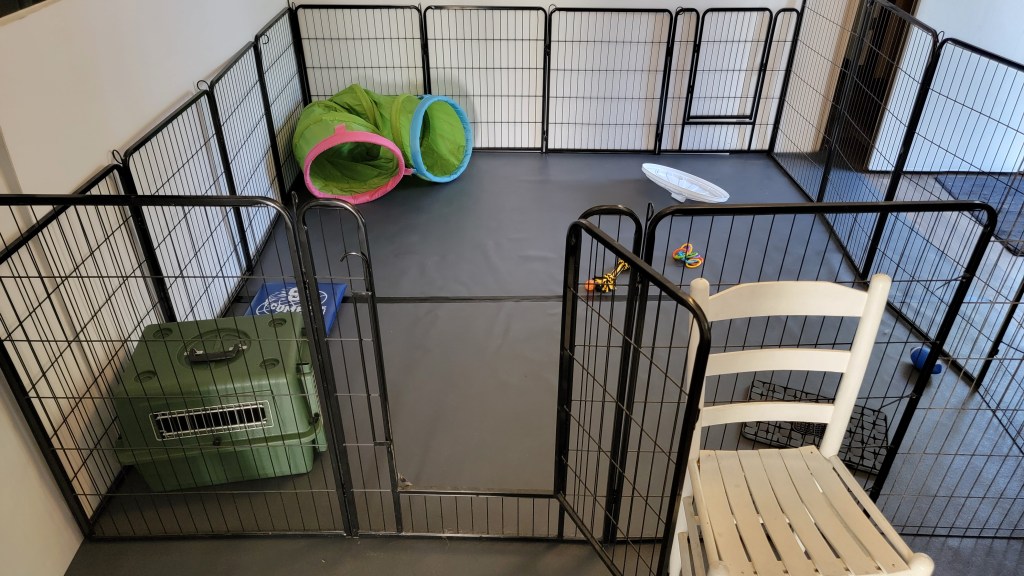
The living room is now puppy central. G flooring, wall protection, secure gates, a clean and refreshed crate, snuffle mat, and some things to play with. I’ll be adding different enrichment and empowerment stuff each day. This is where the pup will hang out when I can’t directly supervise him and when he needs to rest.
The Process
Puppies that are younger than 12-16 weeks of age process things with 2 outcomes:
The goal is to help the puppy learn (prior to 12-16 weeks of age) that change is what is normal and safe. That anything new is just a part of normal life and perfectly safe. That novelty and weird is just normal life and no need to worry. And in fact- all these things mean GOOD things happen, like treats and a happy, praising handler, and fun! And the more new things that puppy encounters that bring on the good stuff or that are just part of everyday life, the better the puppy gets at accepting ‘weird’ as normal and safe.
See my list for what I try to properly expose my puppies to before they are 16 weeks old:
–Best Socialization check list–
Note: There are 3 check boxes next to each thing, because repeated exposure gives the best picture about how the puppy actually feels about it. And repeated exposure can help make it “normal”.
So socialization IS about exposing the puppy to lots of new experiences and things, but it MUST be done carefully and correctly and with the ability to read canine body language so you know if the pup is fine, is still assessing, or if they feel it is too much. If done wrong it can cause the puppy to FEAR all new things, changes in the environment, and anything weird, which is the opposite of what we want!
From 3-7 weeks old, puppies tend to startle at novel things, then investigate or watch from a distance, then accept the new as normal (might take more than 1 exposure). Each time they go through this process, they learn HOW to accept novelty and deal with weird. And they can ideally be exposed to many of the items on the list above.
After 7 weeks, if the puppies haven’t had exposure to very much change and weird by that point, they are much more likely to start with a fear reaction vs. a thinking response. And even puppies with a solid foundation can do this too, but they tend to recover much faster and are able to get back into thinking mode for a proper assessment of the novelty.
By 16 weeks of age, the puppy has learned what is normal and safe in his life. When the pup or dog that is older than 16 weeks of age encounters something he hasn’t experienced before, his reaction to it will mostly be based on experiences he had prior to 16 weeks of age. This is why it is so critical to make novelty and change and weird a safe and fun everyday occurrence when the pup is young!
And this can be done, in part, at home too! Check out the Empowerment Training check list: Empowerment Training
While we’re waiting on an avalanche of puppy photos/videos, I wrote up some info on Socialization and how I do it that I’ll be sharing in several parts over the next few days.
What is PROPER puppy socialization?
Socialization is about teaching the puppy to take novelty in stride.
Without that SKILL, a dog will default to startle and react, rather than “Whatever. Just more weird stuff”. And then you are in “fix it” mode or ‘avoid it’ mode for the rest of the dog’s life.
Better to give the puppy the coping skills it needs from the start! Because life is weird and your dog WILL encounter weird and unexpected things, on walks, at dog sports, and especially if they are a Service Dog.
“Weird” is used broadly to describe anything odd, unusual, out of the ordinary, strange, bizarre, or slightly peculiar. It can refer to behaviors, situations, or events that deviate from the norm. Depending on the context, it can carry a neutral tone (e.g., a strange coincidence), a negative one (e.g., an eerie feeling), or even a positive one (e.g., unique art).
Proper socialization and proactively teaching the pup ‘how to handle weird’ will greatly reduce reactivity to and hyper focus on novelty and will increase their ability to learn (because fear and apprehension inhibit all sorts of good things). Plus, a dog with proper socialization training will be able to go everywhere and do everything with confidence. So they have a much bigger, and better life than the dog who missed out and ends up reactive and needs to be protected from certain triggers.
While proper socialization is most effective and has the greatest effect when done when the puppy is less than 16 weeks old, there are benefits to continuing the careful, purposeful, and systematic exposure to “weird” throughout the dog’s lifetime. I want my dogs to EMBRACE the weird, to LOVE weird things, to feel GOOD when they see or experience weird. This is the manifestation of confidence.
This confidence allows the dog to remain in thinking mode instead of going into survival reactionary mode. It allows for rational assessment of the novel thing, vs. a fight or flight response. I want my dog to be thinking- “Oh good! Something new! This is cool!” Instead of “Danger! Escape! We’re all going to die!”
I will say that getting a puppy from a breeder that starts this process as soon as the puppies are born puts the puppy MILES ahead of puppies without the socialization and training! There are a few different programs that breeders can use to ensure their puppies have excellent coping skills and confidence before they even leave the breeder. I HIGHLY recommend finding such a breeder if you want to make your life MUCH easier from the moment you bring the puppy home! Mister’s breeder has been doing a fantastic job with this and I know he will have the best possible base upon which to build these skills even further.
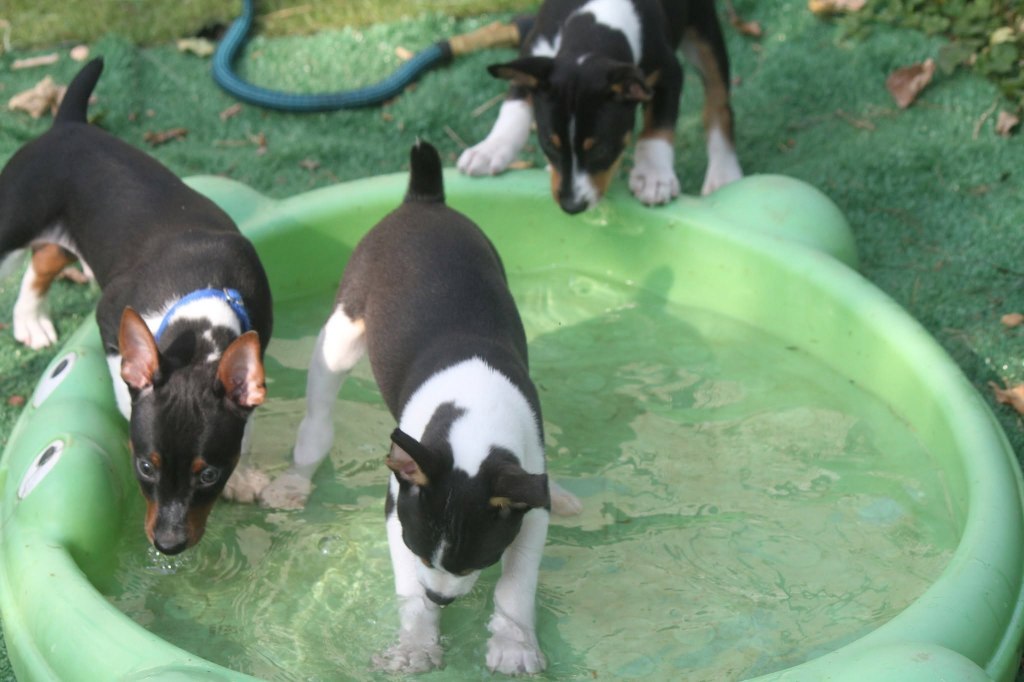
Photo is the boys enjoying a pool party today!
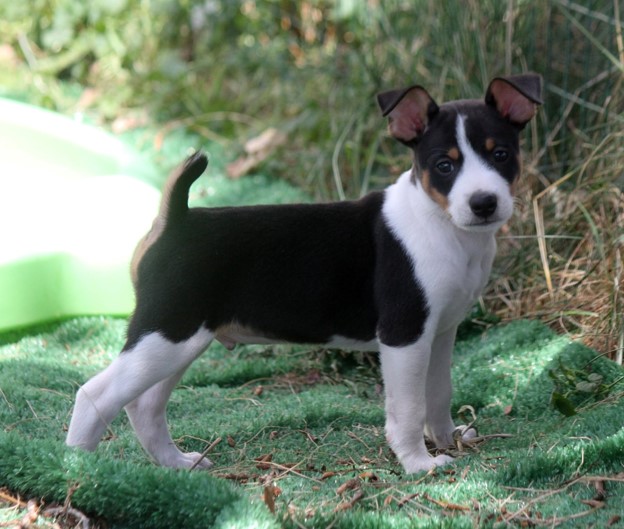
I got permission from the breeder to share these photos from her private puppy group. Aren’t they stunning?! I would be thrilled with any one of these boys!
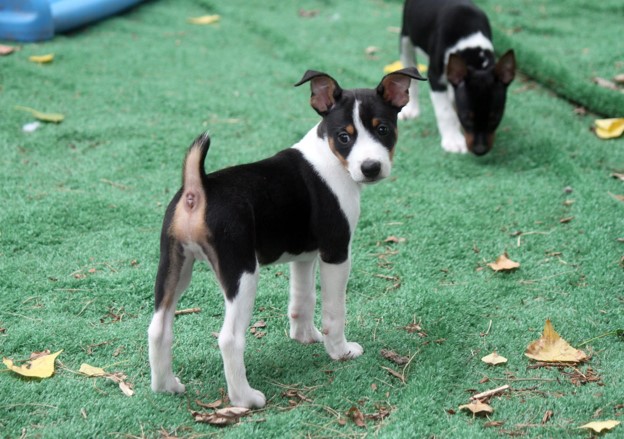
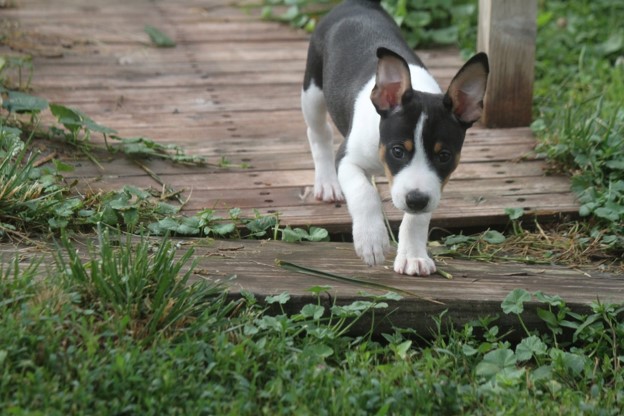
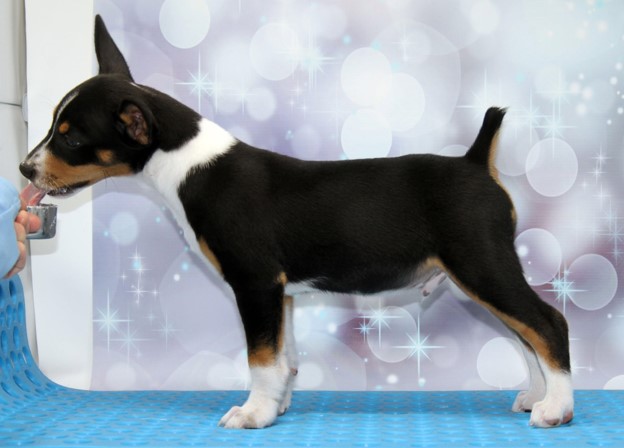
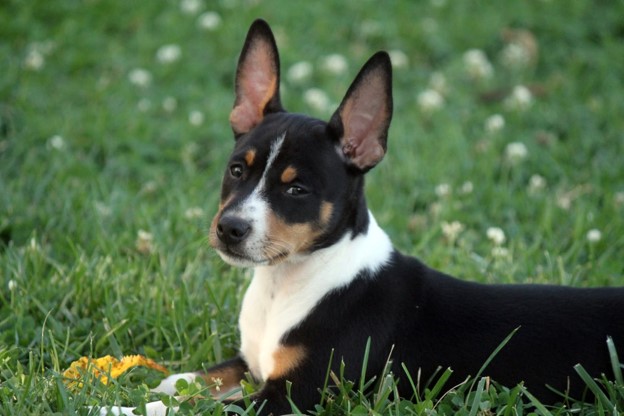
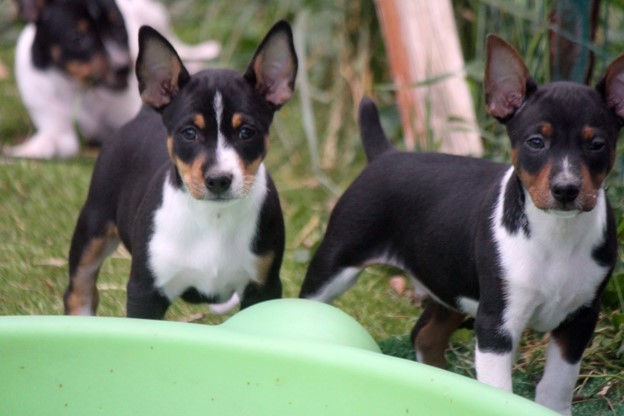
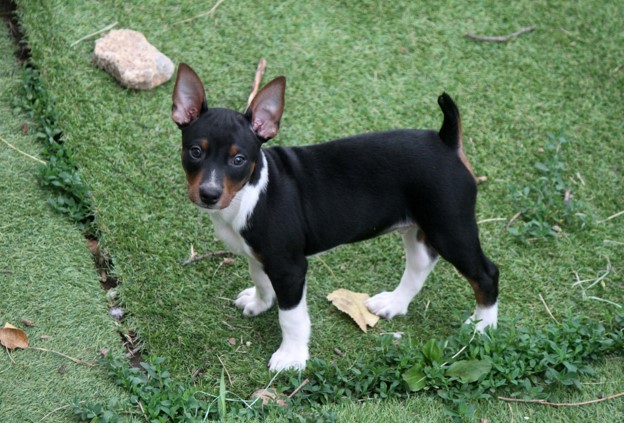
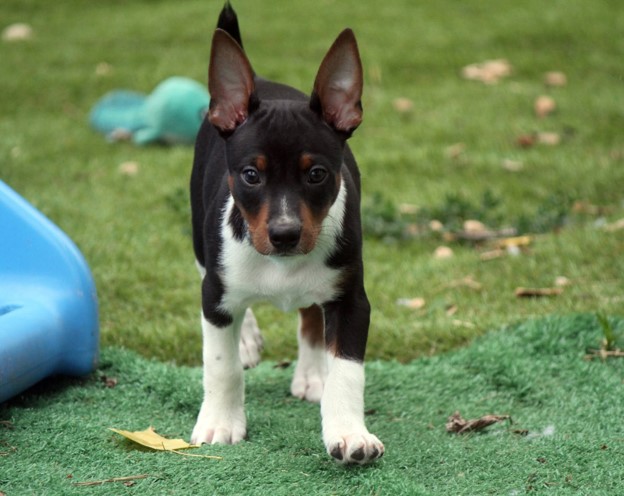
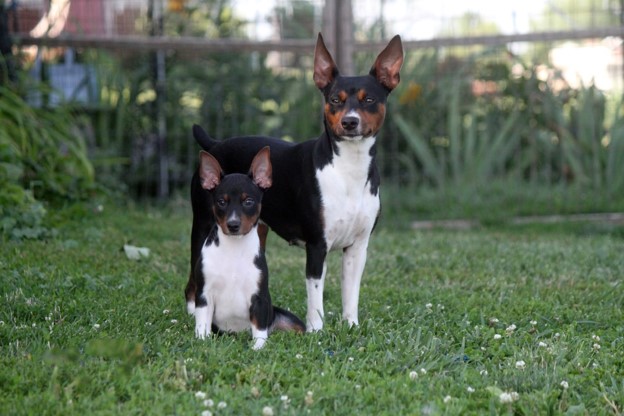
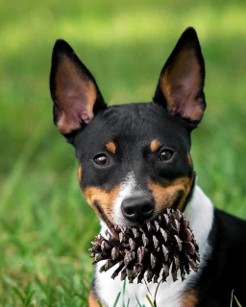
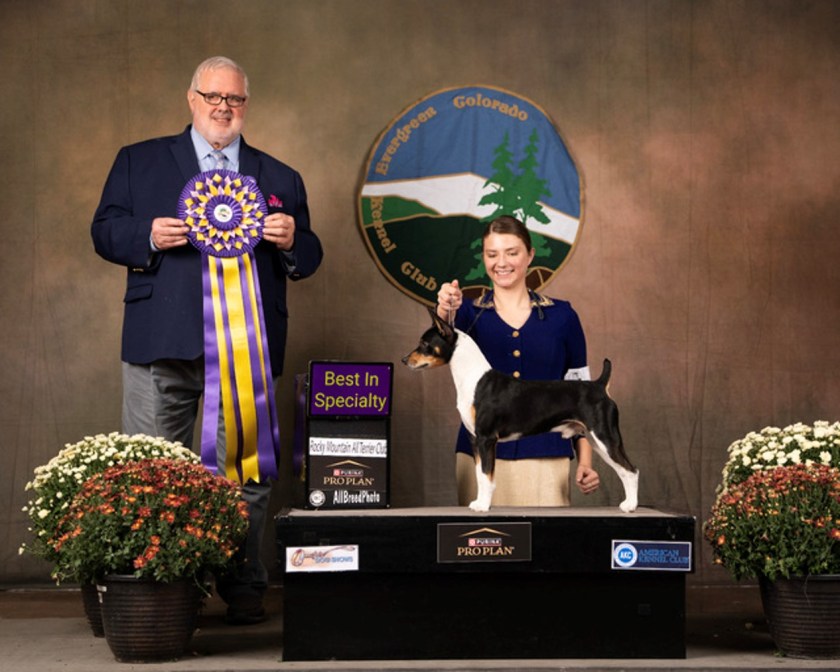
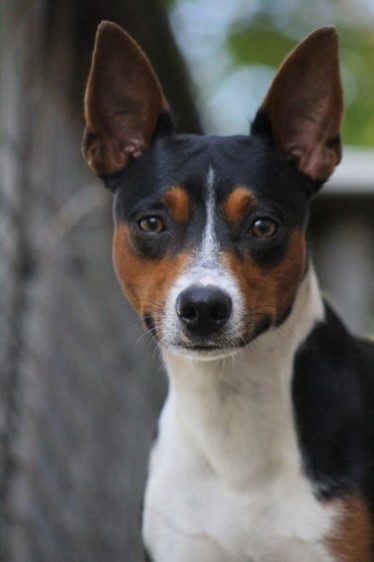
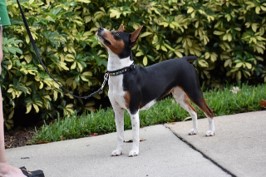
This journey started as my amazing Malinois Dazzle was getting up in years (he lived to be almost 18!). Now my Labrador Voodoo is 10 and I’m ready to welcome my next family member. I knew I wanted a smaller breed and considered several, but decided on the Rat Terrier for their versatility, temperament, health and size. Plus I love the way the breed looks!
So then I started researching breeders. I am VERY picky about what I want in my dogs (temperament, health, conformation, and lots of other traits) and I know just how important it is to get a breeder that is responsible, knows what they are doing, and does lots of early socialization and training!
I found Stacy McWilliams and River Ridge Rat Terriers. She and her dogs check all the boxes for what I was looking for. I talked with her about her breeding plans and the litter I put a deposit on was still ‘up in the air’ with some unknowns regarding timing of various things but I really loved the male.
Meanwhile, just recently, a spot had the potential to open up in a litter she co-bred in Oklahoma and I was looking at THAT litter (with only 1 male in it) that just turned 6 weeks old.
Then I get word that a pup might be available in her current litter that has an AMAZING sire and dam! The litter has 3 boys and they are all so good that she’s having a really hard time picking who goes where! Another breeder that gets pick male is also having a hard time choosing based on photos/videos, so she will be going to Stacy’s to see them in person and attend a show with Stacy in VT July 9th-12th where they might get a chance to have some Judges look at them as well.
Once they decide, I’ll know who my pup will be. I should know on the 9th or 10th. The pups turn 10 weeks old on Sunday the 12th and I’m hoping the other breeder that went to look at the pups can also bring mine with her because she lives in VA, which is MUCH closer than PA! Though I would be willing to drive to the other side of the U.S. for the right pup, so if I could get the pup sooner, I would definitely drive up to get him. That said, I’m very hopeful to have Mr. Sir in my arms on July 13th.
Waiting for things I want is NOT a strong suit of mine :-) Especially when the waiting means 2 less weeks I can spend on the socialization I love to do! But I know Stacy will be continuing to socialize and work on basic training with the pups. And they all have phenomenal bold temperaments!

